
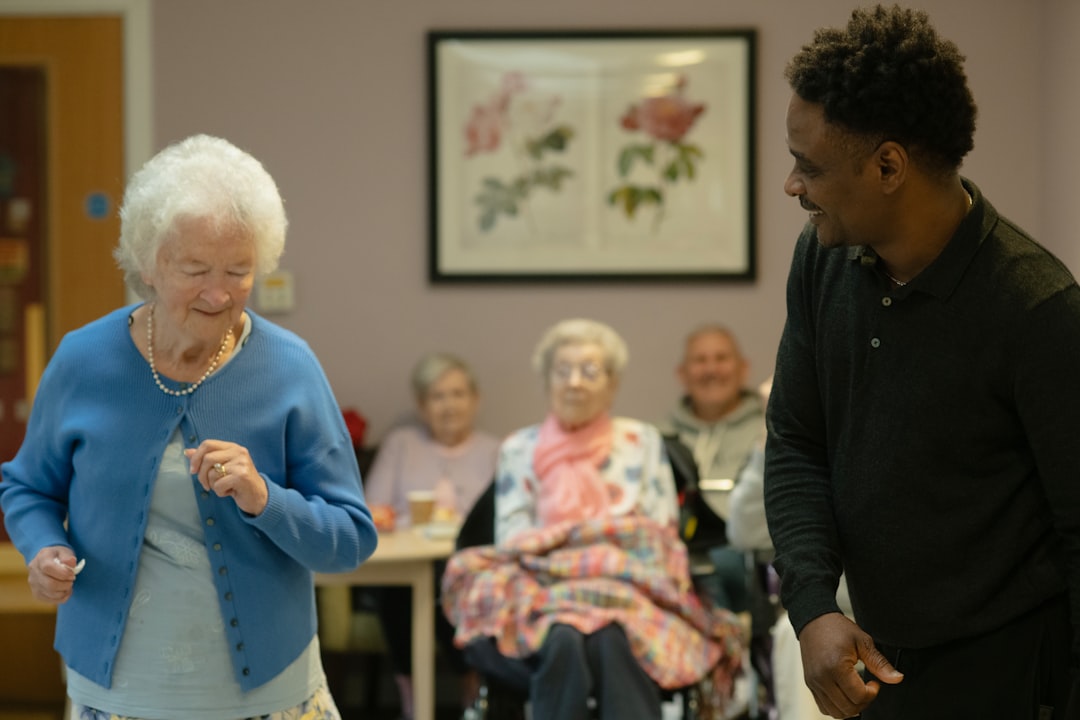
A bedside mobile notary travels to a hospital, nursing home, rehabilitation center, or assisted-living facility to notarize documents for a signer who cannot easily travel. As long as the signer is conscious, aware of what they are signing, and able to communicate consent, the notary can witness wills, powers of attorney, and healthcare directives at the bedside, including scheduled visits during evenings and weekends. The signing follows the same Missouri rules as any other: the notary verifies a government photo ID, confirms willingness, and personally witnesses the signature, charging the state-capped $5 per signature plus a flat travel fee. Drop It On The Dot is based in St. Charles, serves the greater St. Louis metro, and is bonded, background-checked, and covered by $100,000 in E&O insurance, with NNA and LSS certification. We confirm the facility's visiting rules and your total before we arrive.
Why plan a bedside notary visit instead of waiting?
Not every bedside signing is an emergency. Most, in fact, are the opposite: a family sitting down to get paperwork in order the calm way, before anything becomes urgent. A daughter helping her father finish a durable power of attorney while he settles into assisted living. A couple updating their wills and healthcare directives during a planned rehab stay. An adult child organizing documents for a parent in memory care while everyone is still able to talk it through.
These are the visits where planning pays off. When a signing is scheduled, there is time to gather the right ID and line up witnesses. There is also time to pick a moment in the day when the signer is most alert. On my routine care-facility visits, I ask the family one question first: when is your loved one sharpest? Many residents are clearest in the late morning, after breakfast and before the afternoon fades. I plan around that window whenever I can. The result is a short, unhurried appointment. The family leaves with finished, valid documents instead of one more thing hanging over them.
That is the everyday value of a bedside mobile notary. The signer never has to leave the room. The family never has to wonder whether they got the paperwork right during a stressful drive to a bank branch that closes at five.
Which St. Louis hospitals and care facilities do you visit?
We regularly handle scheduled bedside signings across the St. Louis metro and St. Charles County, at the full range of places where someone might be recovering or receiving care:
- Hospitals, including the Central West End corridor, where Barnes-Jewish Hospital and SSM Health Saint Louis University Hospital sit within a few blocks of each other, along with community hospitals closer to home
- Nursing homes and skilled-nursing facilities, where residents are often settled in for weeks or months
- Assisted-living and independent-living communities, where a resident may simply prefer a notary come to them
- Memory-care units, with careful attention to whether the signer can understand and consent
- Hospice and palliative-care settings, both in facilities and at home
- Private homes, for anyone recovering or homebound who would rather not travel
Every facility has its own visitor policy, and those policies change. That is especially true during flu season or other restrictions. Because a planned visit gives us lead time, I confirm the visiting hours, guest limits, and check-in process before I ever leave. On most of my care-facility visits, I stop at the front desk first, sign in, and let the staff know which resident I am there to see. That small step keeps the visit smooth and gets me to the room without delay. If you are coordinating from out of town, I can work directly with a nurse, care coordinator, or social worker on the floor. Together we settle on a time that fits both the facility's routine and your loved one's best part of the day. Our mobile service reaches the whole metro, so the signing happens wherever your loved one already is.
What documents do families notarize at the bedside?
The paperwork that comes up most often at a bedside or in a care facility tends to cluster around planning and daily authority. A few are worth knowing by name:
- Powers of attorney. A durable power of attorney lets a trusted person handle finances or, in a separate healthcare version, medical decisions if the signer later cannot. These are among the most common bedside requests because families want them in place before they are needed, not after.
- Healthcare directives. Living wills and advance directives spell out a person's wishes for care. Getting them signed and notarized while the signer can clearly express what they want is exactly the point.
- Wills and estate paperwork. People often finalize or update a will once they are in a care setting and have time to think. Note that a will usually calls for witnesses beyond the notary.
- Deeds and property documents. Selling a home to fund care, transferring property to family, or refinancing can all require a notarized deed. The signer may not be able to visit a title office.

What is required when the signer is ill or in a facility?
A bedside notarization follows the same Missouri rules as any other signing, with extra care given the circumstances. Three things have to be true before I can proceed:
- Identity. The signer needs a valid, government-issued photo ID such as a driver's license, state ID, or passport. If the ID is at home, a family member can usually bring it to the room ahead of the visit.
- Awareness and willingness. The signer must be conscious, aware of what the document is, and able to communicate consent. I speak with the signer directly to confirm this, away from any pressure from others in the room.
- The act of signing. The signer must sign in front of me, or direct a signature if they cannot hold a pen.
These are not formalities. The verification is the entire value of a notarization. A document signed without a proper check of identity and willingness is one a court can later throw out. That helps no one. Planning the visit in advance simply makes it easier to have all three in place before I walk in.
What should the family have ready?
A little preparation turns a bedside visit into a short, calm appointment. Have these ready before I arrive:
- The signer's valid, unexpired photo ID
- The complete, unsigned document or documents, since I must witness the signature and cannot notarize anything already signed
- Any witnesses the document requires, present and uninvolved in the document itself
- The facility name, room number, and visiting details
For wills and estate paperwork, Missouri often requires two competent witnesses in addition to the notary. Those witnesses generally cannot be people who inherit under the will. It helps to line them up in advance, since a busy care facility is not the place to find two neutral adults on short notice. If you are unsure what your document needs, mention the document type when you call. We will tell you exactly what to bring.
What happens if the signer cannot physically sign?
Illness or age sometimes takes away the ability to hold a pen. That does not automatically end the appointment. Missouri law provides for a signature by mark. The signer makes an X or other mark that the notary documents, usually with witnesses observing. There is also a provision for a directed signature. Another person signs the signer's name at the signer's express request and in their presence. In both cases the signer must still be aware, willing, and able to communicate what they want.
What I cannot do is notarize for someone who is sedated, unconscious, or unable to understand the document. That holds no matter how convenient the timing would be for the family. In a memory-care setting especially, I pay close attention to whether the signer genuinely understands the document in front of them. That care is not an obstacle. It is the protection that keeps these documents meaningful. It keeps a vulnerable person from being signed into something they never agreed to. When a signer is fading in and out, the honest step is to schedule for a clearer window or involve the care team, not push a signature through.
How does Missouri protect vulnerable signers?
Notaries in Missouri are commissioned and regulated by the Secretary of State under Chapter 486 of the Revised Statutes of Missouri. It sets the rules for who can be commissioned, what acts they may perform, how they must keep records, and what they may charge. That framework matters most at the bedside. The people signing there are often elderly, medicated, or under emotional strain, exactly the people fraud targets.
The law also caps the notarial act itself at $5 per signature, so the fee for the notarization is fixed and small. A mobile notary adds a flat travel fee for coming to the facility, quoted up front. The core safeguards are the same ones above. A notary must confirm identity, confirm the signer understands and is acting freely, and refuse the act if anything looks coerced. A notary is also a neutral witness, not an attorney. I cannot advise which document you should use or whether it accomplishes your goal. That is a question for a lawyer. Drawing that line keeps a bedside notarization valid. It protects the signer when the document is later relied on.
How do you schedule a bedside visit?
Because most of these visits are planned rather than urgent, the process is built to be simple and predictable:
- Call or text (314) 252-0310 with the facility name, room number, and what needs to be signed.
- We pick a time and confirm a flat travel fee up front, and talk through any witnesses or documents you should have ready.
- The notary arrives, verifies ID, confirms willingness, witnesses the signing, and applies the seal.
- Your family keeps the completed, notarized documents on the spot.
Drop It On The Dot is based in St. Louis and St. Charles and serves the greater metro, bonded, background-checked, and covered by $100,000 in E&O insurance with NNA and LSS certification. We offer evening and weekend appointments because that is often when families can gather. If your situation is urgent rather than planned, see our guide to emergency bedside signings, and for the planning side, read why bedside notarization matters for wills and directives. When you are ready, book an appointment or call (314) 252-0310 and we will confirm your total before we arrive.
Frequently asked questions
Can you notarize for a patient who is medicated or sedated?
What if the signer cannot hold a pen?
Do hospital wills need witnesses besides the notary?
Can you come to a specific St. Louis hospital or nursing home?
How much does a bedside notary visit cost in Missouri?
How far in advance should I schedule a bedside signing?
Related guides
Hospitalized and Need a Notary? Emergency Bedside Signings in St. Louis
How to arrange an emergency bedside notarization at a St. Louis hospital, what is required when time is short, and what to do if a signer is sedated.
Read article
Wills and Healthcare Directives: Why a Bedside Notary Matters
Why wills, living wills, and healthcare directives are often signed at the bedside, what makes them valid, and how a mobile notary helps families do it right.
Read articleNeed a notary today?
We come to you across St. Louis and St. Charles County, often the same day.