
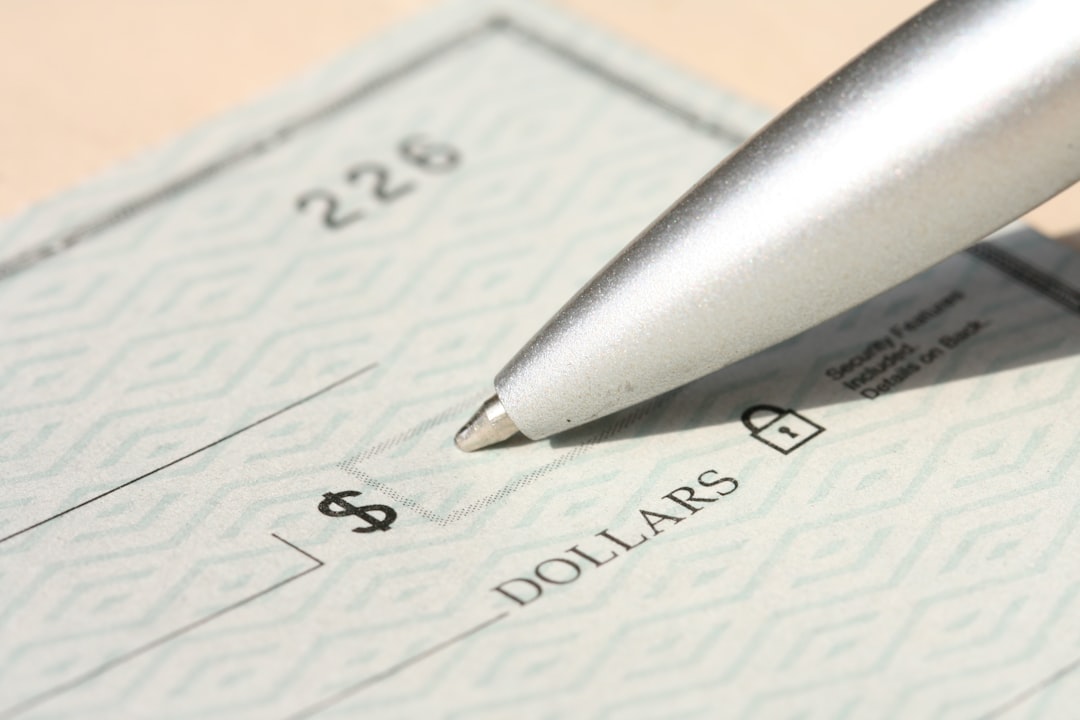
Notaries prevent fraud by verifying each signer's identity with a current government photo ID, confirming the signer is acting willingly and knowingly, personally witnessing the signature, and recording the act in a journal. Together these four safeguards deter impersonation and coercion on high-stakes documents like deeds, powers of attorney, and loan closings, which is why banks, county recorders, and courts treat a notarized signature differently from an ordinary one. The signer must appear in person, so a notary cannot notarize a document that is mailed or emailed, and cannot proceed when a signer is unconscious or too confused to understand. Missouri commissions and regulates notaries under Chapter 486 of the Revised Statutes, backing each act with a commission and bond. Drop It On The Dot is based in St. Charles, serves the greater St. Louis metro, and is bonded with $100,000 in E&O insurance and NNA and LSS certification.
Why does notarization exist in the first place?
The entire purpose of a notarization is fraud prevention. Anyone can write a name on a piece of paper. A forged or coerced signature on a deed or a power of attorney can do real damage before anyone notices. Notarization solves this by adding an impartial, trained, state-commissioned witness to the signing. That witness confirms the signer is real, present, aware, and willing before the document carries any legal weight.
This is why banks, county recorders, and courts treat a notarized signature differently from an ordinary one. It has been verified by someone the state holds accountable. Missouri commissions and regulates notaries under Chapter 486 of the Revised Statutes of Missouri, backing each act with a commission, a bond, and a set of rules. Fraud prevention is the core function, not the stamp. That is why a careful notary insists on doing things a certain way, even when it feels slower than you would like.
What are the four safeguards in every notarization?
Every legitimate notarization layers four protections, and each one closes off a different avenue for fraud:
- Identity verification. Your notary inspects a valid, government-issued photo ID to confirm the signer is the person the document names. This is the single biggest barrier to impersonation.
- Willingness and awareness. We confirm the signer is acting freely and understands the document. This deters coercion, especially of elderly, ill, or isolated signers.
- In-person witnessing. We watch the signature happen. That is why you should never pre-sign a document you plan to have notarized.
- The journal. We record key details of the act. This creates a reference trail that can be checked later if a signing is ever questioned.
Skip any one of these and the protection weakens. Together they make a notarized document far harder to forge or dispute than an ordinary signed one. That is why banks, lenders, and courts trust a properly notarized signature in a way they never trust a plain one.

How does identity verification stop impersonation?
Identity verification is the front line, and it is where most fraud attempts fail. By requiring a valid, unexpired, government-issued photo ID, we force anyone trying to sign in someone else's name to defeat a real document check in person. The name on the ID must match the name on the document. The photo must match the person in front of us. And the ID must be current.
A notary who is paying attention will notice mismatched names, altered cards, or a signer who cannot answer basic questions about their own ID. This is also why we cannot notarize a document someone drops off or emails. The signer has to appear in person. That requirement is not busywork. It is the mechanism that makes impersonation difficult. Done properly, the notarization gives everyone downstream, from the bank to the recorder, confidence that the right person actually signed.
In practice, I look at the card itself as closely as the person. Names change with marriage and divorce, so I check that the name on the ID matches the name on the document and ask about the difference when it does not, since a mismatch can be an honest gap or a red flag. I look for tampering, a photo that does not match the face in front of me, and an expiration date that has already passed. When the name on a document has changed but the ID has not caught up, a quick supporting record such as a marriage certificate usually resolves it. None of this is guesswork. It is a consistent process applied the same way every time, which is what makes it reliable.
Why does the notary confirm you are signing willingly?
Verifying who you are is only half the job. Your notary also has to confirm that you understand what you are signing and that no one is pressuring you. A signature can be genuine and still be the product of fraud. That happens when someone is coerced, misled, or unaware of what the document does. The willingness and awareness check is the safeguard that catches it.
This matters most with documents that hand authority or money to another person. A power of attorney can give someone control over another person's finances or medical decisions. Estate documents like the ones handled in wills and trust signings can redirect an inheritance. Those are exactly where undue influence shows up. It is often aimed at an elderly or ill signer who is isolated and dependent on the very person standing to benefit. When I ask the signer to explain, in their own words, what the document does, and confirm the decision is theirs, that adds protection a private signing at a kitchen table does not have.
I have paused a signing for this reason. A relative was answering my questions for the signer and speaking over them, so I stepped in, asked the signer directly, and did not continue until I was sure the choice was their own. An impartial third party is the key here. We have no stake in the outcome, are not related to the parties, and do not gain from the transaction. That neutrality is what makes the willingness check meaningful. If a signer seems confused or hesitant, we slow down or decline rather than rubber-stamp a signature that might not be freely given.
Why does the notary journal matter?
The journal is the safeguard people overlook, and it is quietly one of the most powerful. After verifying identity and witnessing a signature, we record details of the act: the date, the type of document, the ID presented, and the signer. If a signing is ever challenged, that record gives an independent account of what happened and when.
I keep a complete journal for every signing, and I have had it matter. Months after a routine appointment, I was contacted to confirm details that had come into question. Because I had recorded the act carefully, I could verify exactly what took place and put the concern to rest. Without that entry, it would have been one party's memory against another's.
The journal turns a notarization from a moment in time into a documented event you can return to. That is exactly the kind of trail that discourages fraud in the first place. It also protects you, the signer, as much as anyone. Say a family member later disputes that a parent signed a deed of their own free will. The journal entry is evidence created at the moment of signing, not reconstructed later under pressure. That is a very different thing to bring to a lender, a title company, or a court than a recollection.
What a notary does not do
Knowing the limits of the role is part of understanding the protection. A notary verifies the signing act, not the wisdom or legality of the document. I confirm who signed, that they appeared in person, that they signed willingly, and that I witnessed it. I do not judge whether the deed transfers the right property, whether the power of attorney grants the right powers, or whether a trust is set up correctly for you. Those are legal questions. A notary is not a lawyer and cannot give legal advice or draft documents.
That boundary is a feature, not a gap. Our neutrality is exactly what makes the verification trustworthy. If we started opining on the contents, we would no longer be the impartial witness the system depends on. When you need the document itself reviewed or drafted, that is an attorney's role. When you need the signing verified and protected, that is ours. Missouri also keeps the cost modest and predictable. The notary fee is capped at five dollars per signature under RSMo 486.685, so the safeguards are never something you are priced out of. A mobile notary may add a separate travel fee for coming to you, which we quote up front before the appointment.
Which transactions need these safeguards most?
The highest-risk documents are real estate deeds, powers of attorney, and loan closings. Safeguards matter on every notarization, but they matter most on documents that move money or transfer authority, because those are the ones criminals target:
- Real estate deeds and loan closings, where a forged signature can transfer property or take out debt in someone's name
- Powers of attorney, especially for vulnerable adults, where coercion can hand control of finances or medical decisions to the wrong person
- Affidavits and sworn statements used in legal and financial proceedings
Real estate is a category of its own here. A real estate signing can move a home worth hundreds of thousands of dollars on the strength of a signature. That is why title companies and lenders insist on notarization, and why deed fraud is a real and growing risk. The identity and willingness checks are the reason a stranger cannot quietly transfer or borrow against a property that is not theirs. I treat these appointments as the highest-stakes work I do, and I hold to the full process on every one, no shortcuts.
This is also why we cannot proceed when a signer is unconscious, sedated to confusion, or clearly unaware. The willingness and awareness check exists to protect people in those situations. That is why our bedside notarizations require the signer to be alert and able to communicate consent. The safeguard cannot be skipped just because a signing is urgent. If you want a plain-language walk through of the role beyond fraud, our overview of what a notary public actually does covers the full picture.
Does a mobile notary protect you as well as a bank?
Using a mobile notary does not weaken any of these protections. It brings them to your location intact. We verify identity, confirm willingness, witness the signature in person, and record the act in a journal, exactly as we would in an office. That holds whether we meet at your home, your office, or a hospital room across the St. Louis area. If anything, a mobile notary who handles these documents every day often applies the safeguards more carefully than a teller fitting a notarization between transactions.
We are commissioned in Missouri, bonded, and insured, and we serve St. Louis, St. Charles, and the surrounding metro. The bond and the E&O coverage exist to protect you. They are a financial backstop standing behind the care we take on every signing. If you are vetting a provider, our checklist on how to find and choose a mobile notary covers what to confirm before you book. When you need a high-stakes document handled with the protection it deserves, book a notary or call (314) 252-0310.
Frequently asked questions
How does a notary actually stop someone from impersonating another person?
Why can't a notary just notarize a document I mail in?
What is recorded in a notary journal?
Which documents most need a notary's fraud protections?
Does a notary decide whether my document is legally valid?
How much can a Missouri notary charge, and does that affect fraud protection?
Related guides
After-Hours and Same-Day Notary Services in St. Louis
When you need a notary at night or on the weekend in St. Louis, here is how same-day and after-hours mobile notary service works and what to expect.
Read article
3 Common Myths About Notary Services, Debunked
Notaries verify documents, mobile notaries cost a fortune, any notary can do a loan signing. Three common myths about notary services, and the real facts.
Read article
Document Notarization Tips: How to Be Ready in 5 Minutes
Simple tips to make your notarization fast and error-free, what to bring, what not to do, and how to handle multiple signers and witnesses.
Read articleNeed a notary today?
We come to you across St. Louis and St. Charles County, often the same day.